Copyright ©IFS 2024 | All Rights Reserved.

The landscape of commercial and industrial security has undergone a dramatic transformation in recent years. Gone are the days when a simple lock and key system sufficed to protect valuable assets, sensitive information, and personnel. Today’s facilities face increasingly sophisticated threats that demand equally advanced protective measures. Modern building security solutions have evolved into comprehensive, integrated systems that leverage cutting-edge technology to create safer, more efficient environments for businesses of all sizes.
As organizations continue to invest heavily in their infrastructure, the need for robust security frameworks has never been more critical. Whether it’s a sprawling manufacturing plant, a multi-story corporate office, or a logistics warehouse, implementing the right security measures can mean the difference between seamless operations and catastrophic losses
Modern commercial and industrial facilities face a complex array of security challenges. Physical threats such as unauthorized access, theft, and vandalism remain prevalent concerns, but they’re now compounded by cybersecurity risks, workplace violence, and sophisticated criminal operations. The convergence of physical and digital security has created new vulnerabilities that traditional security measures simply cannot address.
Industrial espionage has become increasingly common, with competitors and malicious actors seeking to steal proprietary information, trade secrets, and intellectual property. Manufacturing facilities face the additional challenge of securing expensive machinery and raw materials while maintaining efficient workflows. Meanwhile, commercial buildings must balance security requirements with creating welcoming environments for employees, clients, and visitors.
The integration of building security solutions with operational technology has also introduced new attack vectors. As facilities become more connected through Internet of Things devices and automated systems, the potential for cyber-physical attacks increases exponentially.
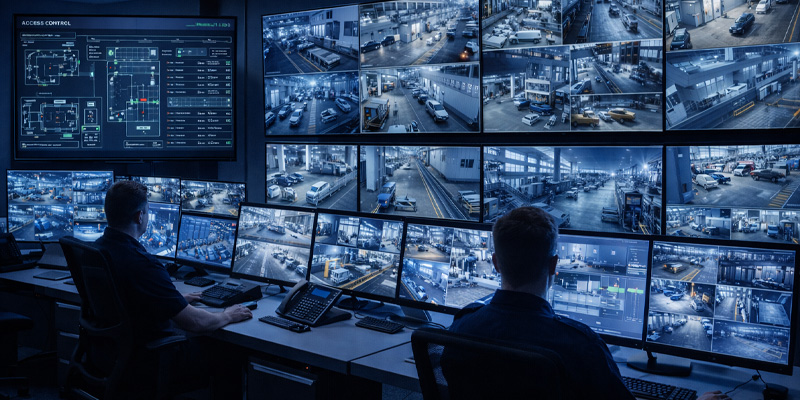
Effective building security solutions for modern facilities require a multi-layered approach that addresses various threat vectors simultaneously. Access control systems form the foundation of physical security, utilizing technologies such as key cards, biometric scanners, and mobile credentials to regulate who can enter specific areas. These systems have evolved far beyond simple door locks, now offering real-time monitoring, audit trails, and integration with other security components.
Video surveillance technology has made remarkable advances, with high-definition cameras, artificial intelligence-powered analytics, and cloud-based storage transforming how organizations monitor their premises. Modern surveillance systems can detect unusual behavior patterns, identify unauthorized individuals, and provide crucial evidence when security incidents occur. The strategic placement of cameras throughout a facility creates overlapping fields of view that eliminate blind spots and ensure comprehensive coverage.
Intrusion detection systems serve as the next line of defense, utilizing motion sensors, glass break detectors, and perimeter protection devices to identify potential breaches before they escalate. When integrated with access control and surveillance systems, these solutions create a cohesive security ecosystem that responds intelligently to threats.
Environmental monitoring represents another critical component, particularly for industrial facilities. Systems that detect fire, smoke, chemical leaks, and other hazards protect both personnel and assets from catastrophic damage. Working with specialized fire protection companies in Bangalore and other locations ensures that facilities meet local regulations while implementing best-in-class safety measures.
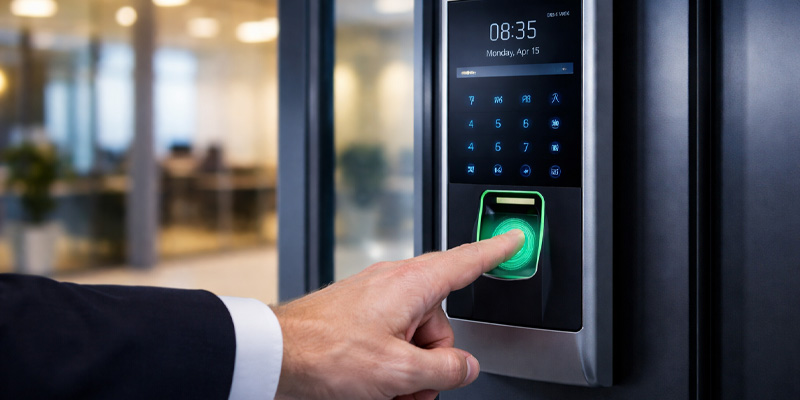
The integration of smart building automation has revolutionized how building security solutions operate. These intelligent systems don’t just react to security events; they anticipate and prevent them. By connecting security components with building management systems, HVAC controls, lighting, and other infrastructure elements, organizations can create environments that actively contribute to safety and security.
Artificial intelligence and machine learning algorithms analyze patterns in access data, surveillance footage, and sensor readings to identify anomalies that might indicate security threats. For example, if an employee typically accesses the facility between 8 AM and 6 PM but suddenly attempts entry at 2 AM, the system can flag this behavior for security personnel review or automatically deny access pending verification.
Smart sensors throughout a facility monitor everything from door positions to temperature fluctuations, providing security teams with real-time situational awareness. When integrated with mobile applications, these systems allow security managers to monitor and control their facilities from anywhere, responding to incidents even when off-site.
One of the most significant challenges in implementing building security solutions is ensuring that different systems work together seamlessly. Modern facilities often have security components from multiple vendors, and without proper integration, these systems operate in silos, creating gaps in protection and inefficiencies in management.
Open architecture platforms and standardized communication protocols have emerged as solutions to this challenge. By utilizing systems that adhere to industry standards, organizations can create unified security ecosystems where access control, video surveillance, intrusion detection, and building automation communicate and coordinate responses to security events.
This integration extends beyond security systems to encompass business intelligence and operational platforms. When security data flows into enterprise resource planning systems, human resources databases, and facility management software, organizations gain valuable insights into how their spaces are used, identify operational inefficiencies, and make data-driven decisions about resource allocation.
As building security solutions become increasingly connected, cybersecurity has emerged as a paramount concern. Every networked device represents a potential entry point for hackers, and compromised security systems can be worse than having no security at all. Modern facilities must implement robust cybersecurity measures including network segmentation, encryption, regular security audits, and employee training programs.
Zero-trust architecture principles should guide the design of security networks, with every device and user requiring verification before accessing system resources. Regular firmware updates, strong password policies, and multi-factor authentication help protect against unauthorized access to security systems.
Physical and logical security must work in tandem. Securing server rooms, network closets, and control systems against physical tampering is just as important as implementing firewalls and intrusion prevention systems.

Effective building security solutions must accommodate organizational growth and technological advancement. Systems should be designed with scalability in mind, allowing facilities to add cameras, access points, and sensors as needs evolve without requiring complete infrastructure overhauls.
Cloud-based security platforms offer particular advantages in this regard, providing virtually unlimited storage capacity, automatic software updates, and the ability to manage multiple facilities from a single interface. These solutions reduce the burden on internal IT teams while ensuring that security systems always utilize the latest features and protections.
As technologies such as facial recognition, behavioral analytics, and autonomous security robots mature, facilities must ensure their infrastructure can accommodate these innovations. Investing in flexible, open platforms today prevents costly replacements and disruptions tomorrow.
Different industries face varying regulatory requirements regarding facility security. Financial institutions must comply with stringent data protection regulations, healthcare facilities must meet HIPAA requirements, and manufacturing plants must adhere to OSHA guidelines. Comprehensive building security solutions must be designed with these compliance requirements in mind, generating necessary documentation, audit trails, and reports that demonstrate adherence to applicable standards.
Working with experienced security integrators who understand industry-specific requirements ensures that facilities meet their obligations while implementing systems that genuinely enhance protection rather than simply checking compliance boxes.
The complexity of threats facing modern commercial and industrial facilities demands sophisticated, integrated building security solutions that leverage the latest technological innovations. From intelligent access control and AI-powered surveillance to environmental monitoring and smart automation, today’s security
systems provide unprecedented levels of protection while enhancing operational efficiency.
Success requires careful planning, proper integration, ongoing maintenance, and continuous adaptation to emerging threats and technologies. By investing in comprehensive security frameworks that address physical, digital, and operational concerns, organizations protect their most valuable assets—their people, property, and proprietary information, while creating environments where business can thrive without compromise.