Copyright ©IFS 2024 | All Rights Reserved.

In contemporary buildings such as residential, office, or industrial buildings, the requirement is clear: comfort, ventilation, and efficiency. HVAC stands for Heating, Ventilation, and Air Conditioning. The function of HVAC is to regulate the climate inside, determine air movement, and ensure air quality. With increasingly intelligent and energy-efficient spaces, the importance of HVAC is being found to be ever more essential. This resource is intended to assist you in comprehending what HVAC is, how it functions, why it is important, and what you should consider when using an HVAC.
HVAC is the term that encompasses the entire procedure of heating, ventilation, and air conditioning systems that create the ambient conditions. It controls:
Rather than separate entities, modern HVACs are designed to work together, providing a space that is comfortable, safe, and energy-efficient.
Making the interiors cozier for when it’s chilly outside is the goal with these. You will most likely find the following:
Ventilation is about good air. It lets in the fresh air from outside while it gets rid of pollutants, humid air, and any odor left behind. 3. Air Conditioning “Air conditioning is meant to cool things down on hot days and keep the humidity under control as well.” When it comes to what is HVAC? And how the Systems Work Together, an HVAC system can be considered an integrated system instead of isolated units. It can be considered as maintaining temperatures, cooling, providing adequate ventilation, and using filters to trap particles. They are always adjusting settings to suit changes.

With an indoor climate that remains stable, there are perfect combinations of comfort and productivity. This is because a stable climate makes people comfortable when concentrating.
HVAC systems play a pivotal role in filtering out airborne irritants including dust, pollen, bacteria, and Volatile Organic Compounds.
The current HVAC systems make use of technology to minimize power consumption without compromising comfort.
The humidity needs to be controlled to the right extent, as excessive humidity can cause the growth of molds that can harm the structure of the building.
Well-designed HVAC systems can help buildings comply with building safety, ventilation, and energy regulations.
Residential HVAC Smaller, simpler systems Single-zone control Aims for comfort and efficiency Commercial HVAC Larger, more complex systems Multi-zone control More advanced automation
Smart HVAC systems come with a variety of advanced features, such as smart thermostats, Building Management Systems, and remote monitoring solutions. They also provide predictive maintenance and energy optimization through artificial intelligence.
Regular maintenance increases the system’s efficiency, air quality, and reliability. Important maintenance procedures include:
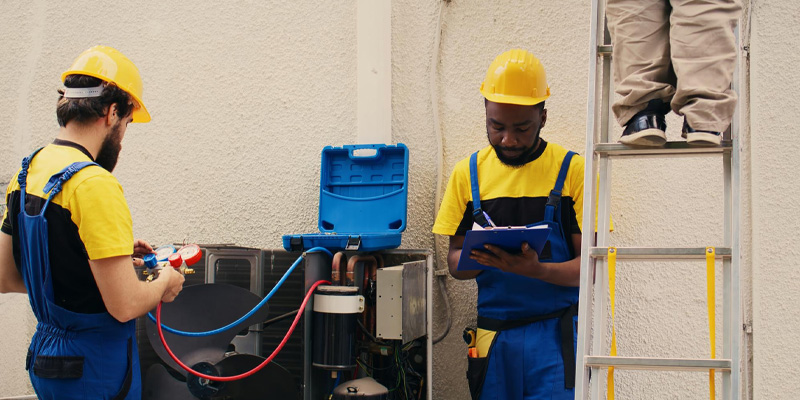
Energy-efficient HVAC systems reduce carbon emissions and improve the rating of green buildings such as LEED and BREEAM. When choosing the appropriate HVAC system for your building, you need to consider the size of the building, climate, efficiency, and cost of maintenance. With expert HVAC services in Bangalore, you can be assured of informed decisions and long-lasting performance.
HVAC remains at the heart of indoor comfort, clean air, and energy conservation in modern buildings. HVAC has the ability to affect health, productivity, and sustainability in everything from residential to large-scale business environments. As technology advances, it will continue to influence the way we live and work with HVAC.
Connect with us today for reliable HVAC services in Bangalore!